Home News and events What actually kills a hospitality business
Entrepreneurship
What actually kills a hospitality business
Singapore closed more food and beverage outlets in 2025 than in almost two decades. Very few of them failed on the food.
Closures averaged 307 a month in early 2025, up from 254 in 2024. The pattern behind the closures is a cost base problem.
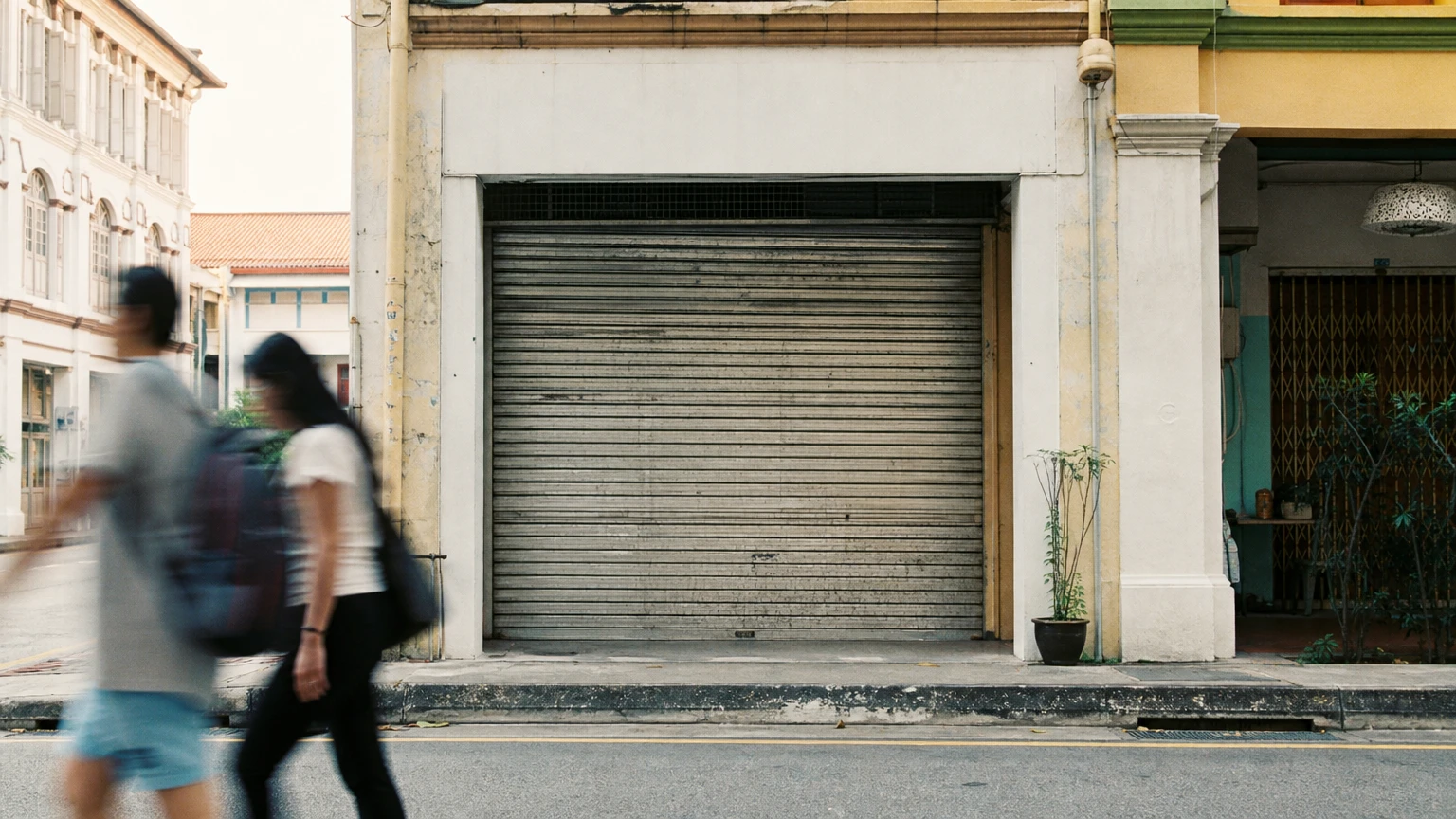
Reuters reported food and beverage closures in Singapore averaging 307 a month in early 2025, up from 254 a month in 2024 and around 230 in each of the two years before that. Ministry of Trade and Industry data recorded 2,431 retail food establishment closures between January and October 2025, more than a third of them businesses under three years old. Across all sectors, Singapore recorded close to 60,000 business closures in 2025, the highest in eight years.
The closures include well-known names: Michelin-starred kitchens, international chains and decade-old neighbourhood institutions closed in the same wave. Longevity offered no protection, which points to a structural cause.
Operators consistently name the same four pressures: rent, utilities, wages and softer consumer spending. Food quality is rarely on that list. Businesses close because the contribution margin never covered the fixed cost at the volume the site could actually generate, and nobody modelled that before the lease was signed.
A concept that only works on a good Saturday is incomplete. A business has to cover an ordinary Tuesday in the quiet part of the year, with two people off sick and a supplier who has raised prices. The questions that decide it are unglamorous: what does one cover cost to serve, what does the booking channel take, at what occupancy does the site break even, and how many weeks of that can the cash position absorb.
The founders who survive will be the ones who knew their numbers early enough to change the idea while changing was still cheap.
Sources
- Reuters, via Malay Mail, on Singapore F&B closures
- Vulcan Post, Singapore business closures 2025
- The Urban List Singapore, why restaurants are closing
Figures are quoted from the organisations named above and were current at the time of writing. Cairnhill Institute is not the source of this data and does not present it as a forecast of any individual outcome.